

Butoh and Japanese Cinema of the 60s
Eye on Art: Butoh and Japanese Cinema of the 60s
The short film programme explores the relationship between experimental film and Ankoku Butoh, with central roles for butoh performers such as Tatsumi Hijikata and Kazuo Ohno. With films by Donald Richie, Takahiko Iimura, Eikoh Hosoe and Motoharu Jonouchi.
Mixing performance documentations and experimental dance films, the programme features works by leading names in Japanese avant-garde film and photography: Eikoh Hosoe, Motoharu Jonouchi, Takahiko Iimura and the Japanese film scholar Donald Richie.
Programme

Tatsumi Hijikata (Motoharu Jonouchi, 1968)
Tatsumi Hijikata documents the performance Revolt of the Flesh (Nikutai no hanran) by butoh dancer Tatsumi Hijikata. The film connects this performance to uprisings, employing Jonouchi’s unique methods of cinematography and editing, characteristic of his films around the same time that documented student protest movements and their aftermath.

Gisei (Donald Richie, 1959)
Gisei features Hijikata and members of his Asbestos Hall, filmed just months after Hijikata’s first public butoh performance. Film scholar and experimental filmmaker Donald Richie met Hijikata through their mutual friend Yukio Mishima, and together they decided to make a film about segregation.

Anma (Takahiko Iimura, 1963)
Anma by Takahiko Iimura is a classic example of butoh dance, performed by Tatsumi Hijikata, co-creator Kazuo Ohno, Yoshito Ohno, and Akira Kasai. The film captures the performance of Anma but is also a cine-dance: film and choreography are intertwined. Iimura not only films the dance but also moves with the camera among the dancers, incorporating images of the audience, giving the film a dynamic, experimental character.

Navel and an A-Bomb (Eikoh Hosoe, 1960)
Navel and an A-Bomb features Tatsumi Hijikata and his choreography, linking the Japanese body to the bombings of Hiroshima and Nagasaki. The film depicts the ‘birth’ of a new Japanese identity in the aftermath of the atomic catastrophe, Japan’s subsequent defeat, and the occupation. Hosoe, a leading figure in Japanese photography at the time, continued to collaborate with Hijikata including on his groundbreaking photobook Kamaitachi.

Wargames (Donald Richie, 1962)
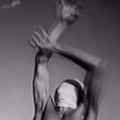
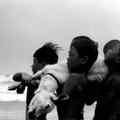
Wargames is an avant-garde parable (a symbolic story) about war, in which young boys fight over a goat and kill it on a beach, made with the involvement of the legendary butoh dancer Tatsumi Hijikata.
This is part of
Details
Production year
2025
Length
81 min.
Event language
English
Country
NL
Part of
Eye on Art
Eye on Art is a programme on the intersection between film and other arts. Eye on Art keeps up with current events, with presentations on contemporary artists and programmes that coincide with important exhibitions, manifestations and Eye activities.

Share your love for film and become a member of the Eye Society.