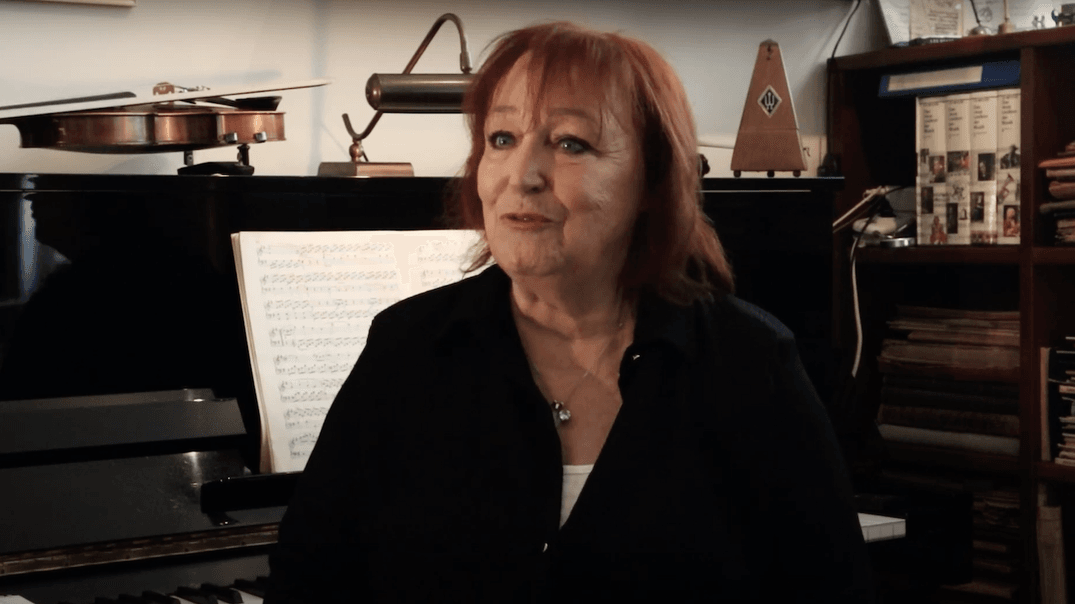
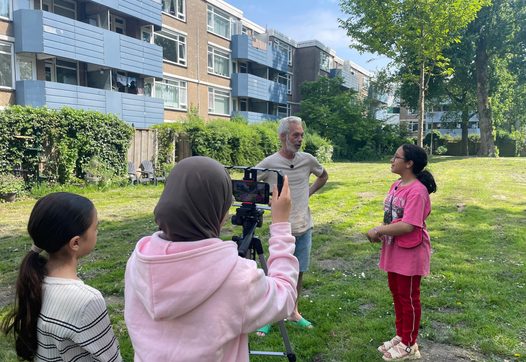
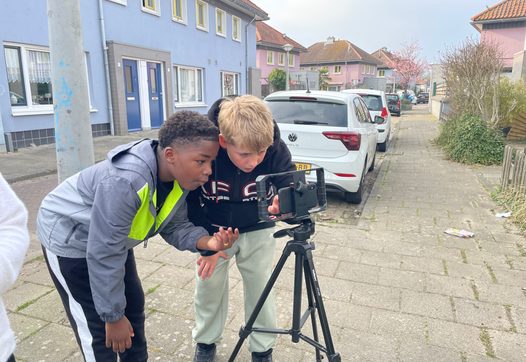
The participants, ranging in age from 10 to 17, come from different neighborhoods in Amsterdam-Noord. One participated through school, the other came into contact with the project through the community center. During the project, they learned all facets of making a documentary film, from filming and directing to editing. At the same time, the young people learned to research, ask questions and think seriously about their own family history and the history of their neighborhood.
Kim van Haaster of Kabaalmakers initiated the project on the occasion of 750 years of Amsterdam. She also guided the young people during the making of their films. She explains how important it is to let young people tell their own story: ‘Children and young people are not used to listening to a long theoretical story. That is why it is important to just do it, to involve young people in the process of making a documentary and to guide them where necessary. In this way, you work from the needs of the young people, the stories they want to tell and you give them a sense of ownership. They are proud of what they have made and they learn that what they have to say matters.’
It resulted in a collection of six films, all from the perspective of children and young people, which together tell the rich story of Amsterdam-Noord and its inhabitants. The participants portray their own neighbourhood and learn how to use visual material to tell a story. 'This way you get to see what the young people themselves find important', says Kim.
Young residents make documentaries about Amsterdam-Noord
What is the story of Amsterdam-Noord if you let the children and young people who live there tell it? In Mijn Amsterdam Noord Verhaal (My Amsterdam North Story), a project by Stichting Kabaalmakers in collaboration with Eye, the young residents told their own stories through documentaries about their own neighborhood.
By Diede Al08 July 2025
© Kim van Haaster
© Kim van Haaster
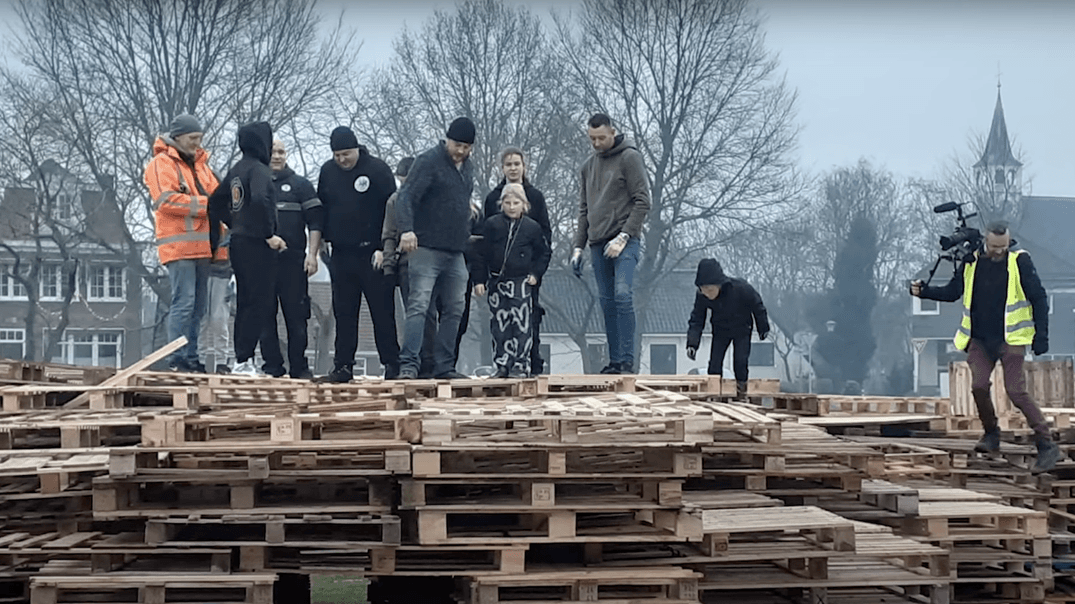
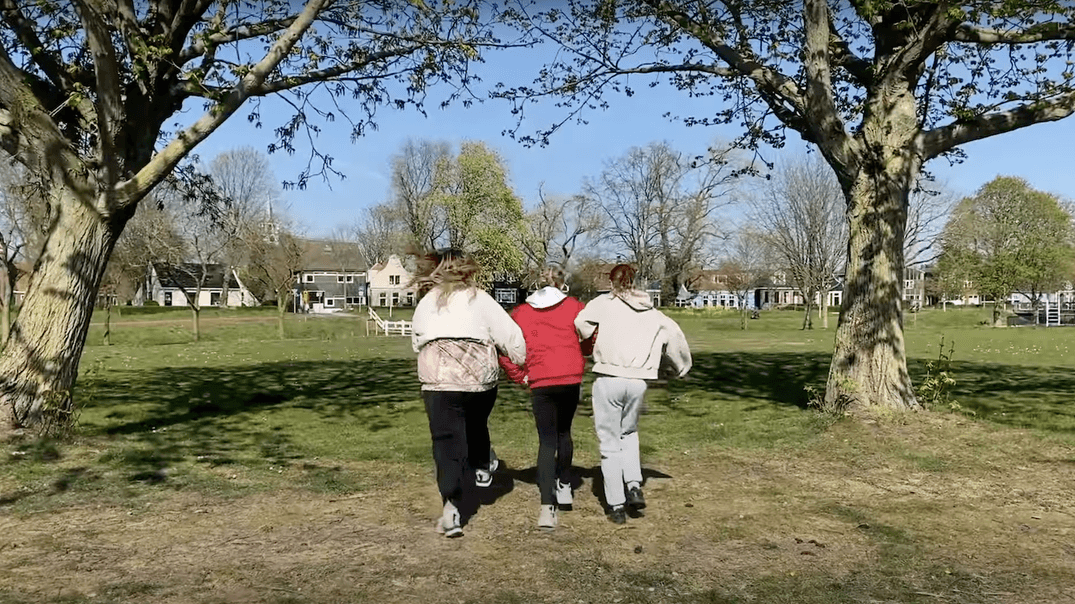
The bonfire in Floradorp, for example, is a tradition that the young people are very proud of. Making a documentary about it motivated them to go out on the streets, to talk to strangers and to approach the organizers of the bonfire. The young people take you into their neighborhood, their square and even behind the front door where they tell the story of their family in their own way.
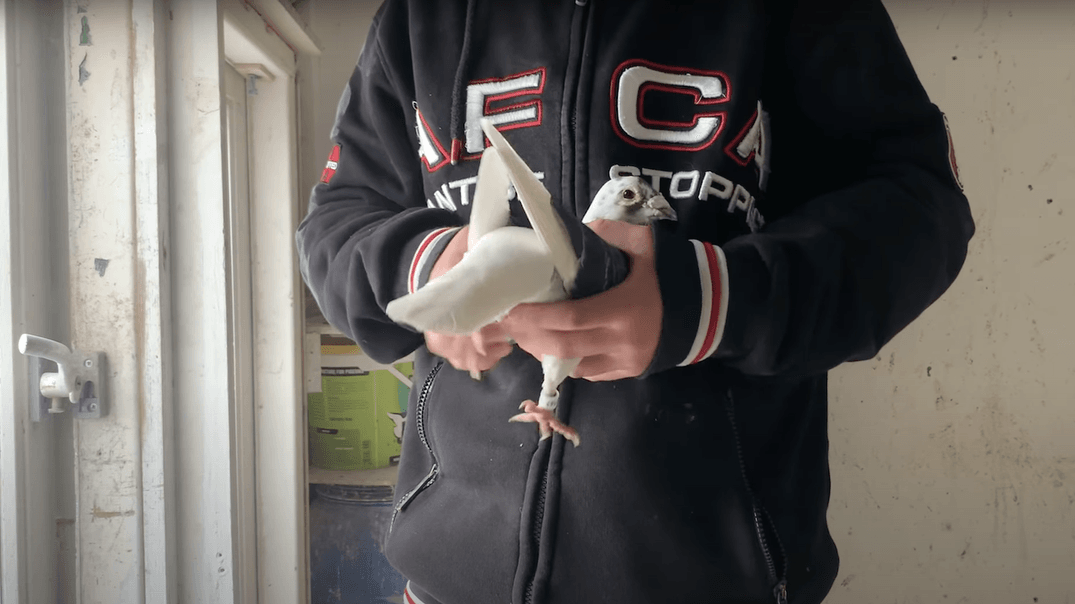
Kim: ‘One of the participants comes from a family of pigeon fanciers, that’s what he wanted his documentary to be about. He got to work with the camera and immediately started experimenting with it. He made really cool shots, filmed his pets and family. During the filming his creativity was fully expressed and that’s when you see that someone has talent. Of course, this project is also partly about talent development.’
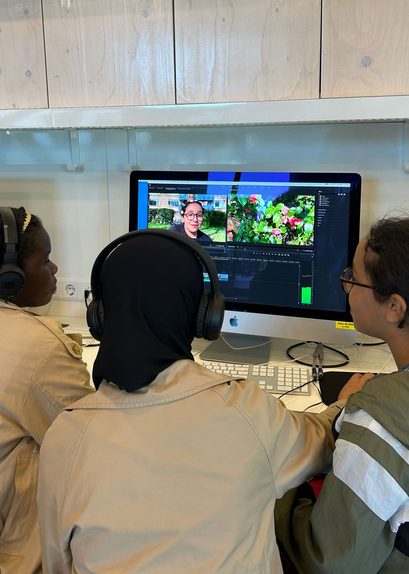
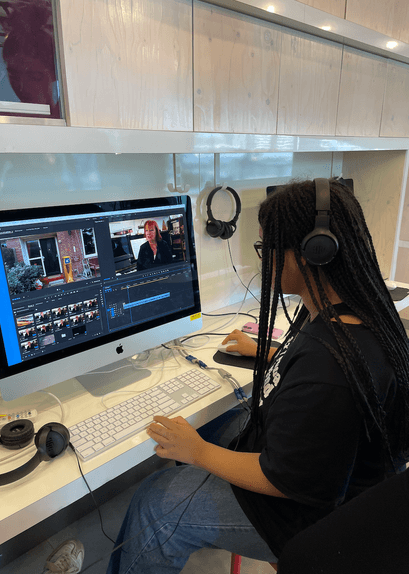
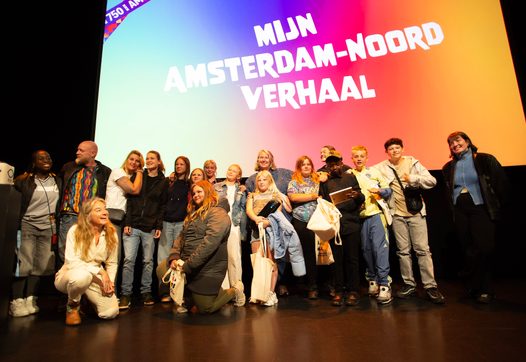
Eye supported the project as a partner. The participants came to the museum building to edit their short documentaries in the studio, visited the permanent exhibition to get inspiration and used archive footage from Eye's collection in their films. The project concluded with a premiere where the films were shown on the big screen.
© Anke Teunissen
© Anke Teunissen
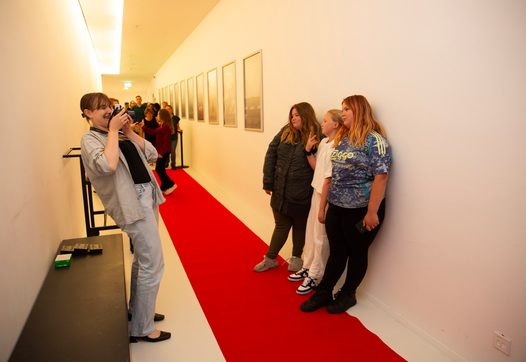
‘The premiere was a big party. There was a red carpet and everyone had their picture taken. There were also local residents and family members in the audience who had met Eye through the project, but also each other. They now saw each other’s stories told from the perspective of children and young people. It is very special that adults take children’s stories seriously and are brought into contact with each other as a result,’ says Kim.
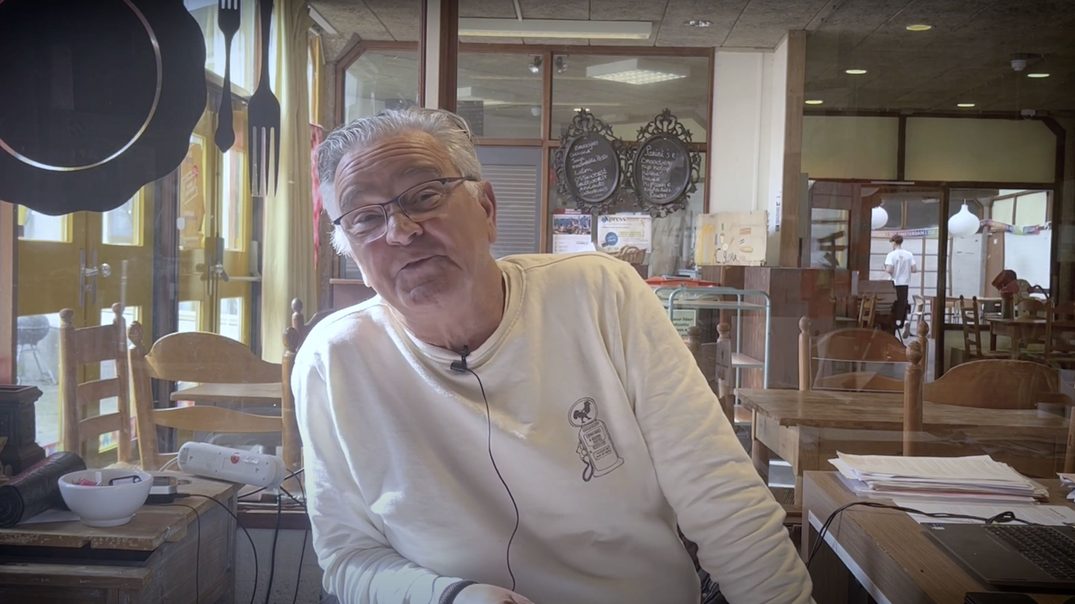
‘Quite exciting’, participant Dyanne thought the premiere was, but when she heard the audience’s reactions, the tension quickly disappeared. ‘Everyone was super sweet. It feels really cool to be in a room and watch something you made yourself. I think it’s great how someone can work out their own ideas, film them and then people can see that in the end.’ Would she like to do something with film and documentary again? ‘I would definitely like to!’
© Anke Teunissen
© Anke Teunissen
‘Eye is not only there for Noord, but also with Noord: as a cultural place in the neighbourhood, where young voices are given space and residents can meet each other through film,’ says Sylke de Heus, head of the education department at Eye Filmmuseum. ‘By bringing stories from Molenwijk to the Waterlandpleinbuurt to the big screen, we celebrate the wealth of perspectives that make Amsterdam-Noord so special. That is why we are proud to open our cinema to these documentary portraits.’
Watch the films
Je kunt alles zes de documentaires die voor Mijn Amsterdam Noord Verhaal zijn gemaakt bekijken:
Het leukste plein van de Banne!
Door Salma Fatim, Boh Jeneh Kourouma en Jannat Abarkach
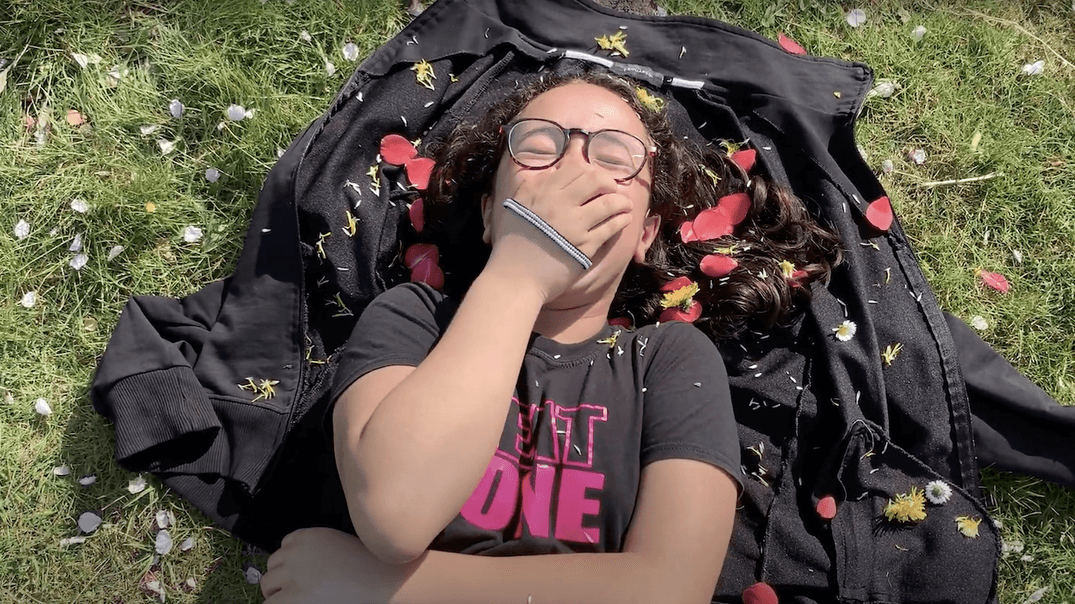
Vreugdevuur
Door Chelsey Robijn, Aimee Klaassenbos en Romy Assink
Floradorp is het sterkst
Door Shelby Notenbomer, Kelsey Assink en Loïs Beumkes
Duiven
Door Maarten Frederiks en Breyem Ravenberg
Peter
Door Milan Friedrich, Nanna Nambiar en Roemer Dellesen
Jeanne
Door Brynn Steen, Senna Lee en Dyanne Moore