
Paris, 1990s. The Underground Orchestra takes us through a labyrinth of winding tunnels. There, acclaimed documentary filmmaker Heddy Honigmann (1951–2022) introduces us to the street musicians trying to earn a living in crowded carriages where people still meet each other’s gaze. It catches me off guard. I thought only children did that. Now I know better: once, adults looked at one another too.
The images in the metro feel intimate, largely because the people passing the camera don’t yet seem to realise they’re being filmed. Back then, that wasn’t an everyday occurrence. In fact, my eyes don’t detect a single phone on screen. And so the first five minutes of this documentary feel as though you’ve stepped into a time machine, with your own Midnight in Paris as the final destination. The romance is audible in the whisper of the metro wheels on the tracks and the skilful plucking of a guitar. Yet the backstories of the performers hardly fall within the ‘romcom’ genre. Most have fled or been exiled from their home countries, travelling to Paris in search of a better life.
Ode to cinema: The Underground Orchestra
Tess Milne is a writer, programme maker and storyteller with a deep love for film. In her work, she always seeks the human element, whether on television or written in words. For Eye Filmmuseum, she writes the column Ode to Cinema, in which she offers her personal perspective on the magic of film – from childhood memories to unexpected discoveries in the film archive. This time, she admires the resilience of the musicians in The Underground Orchestra.
By Tess Milne20 March 2026
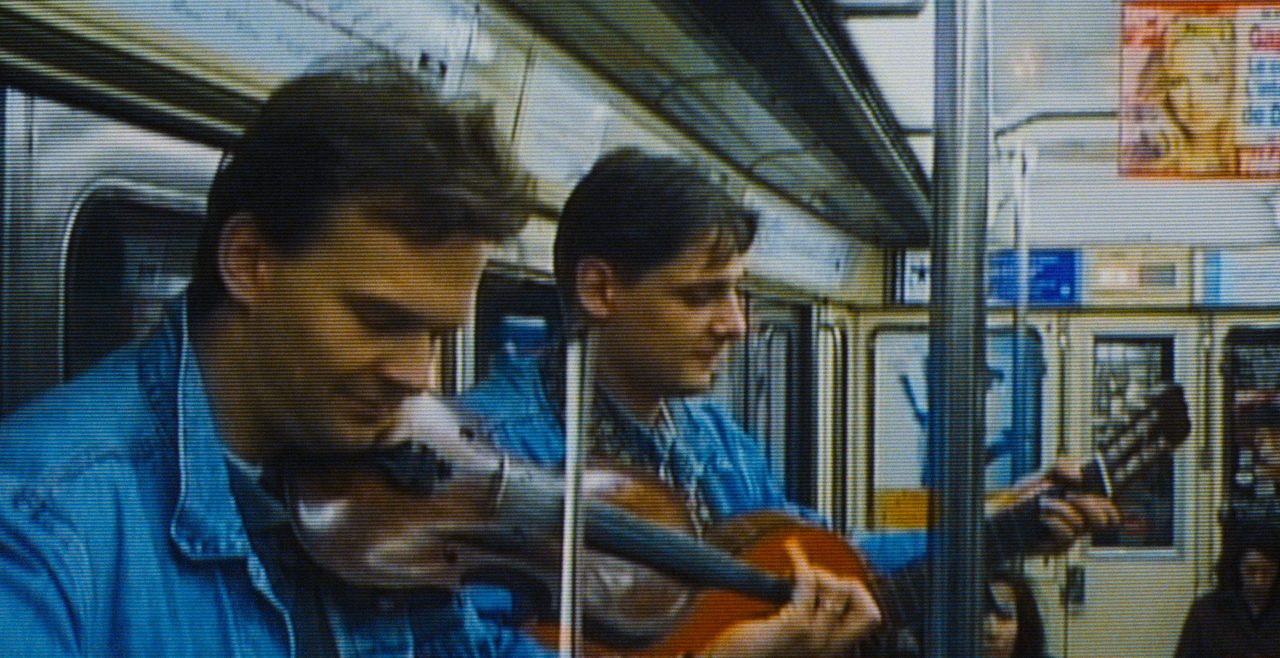
still Het ondergronds orkest (Heddy Honigmann, NL 1997)
Their stories are a celebration of perseverance, despite the shadowy claws of their past. Among others, we meet a violinist from Sarajevo. Having fled the army, he left behind his life as a musician with the Bosnian National Opera. He tells how his new life quite literally began underground in Paris. The metro is his Carré. There are no velvet seats or intervals announced by a gong, but there are passengers who pause, if only for a moment, to listen to him.
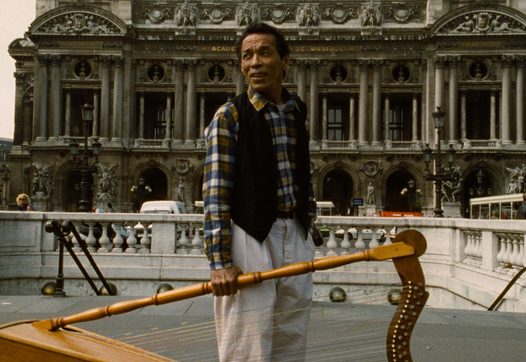
still Het ondergronds orkest (Heddy Honigmann, NL 1997)
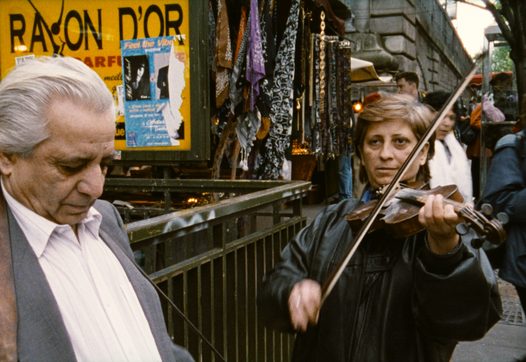
still Het ondergronds orkest (Heddy Honigmann, NL 1997)
When do you ever see musicians playing in a metro these days? When I sit in one now without my phone, I mainly try not to give other people the impression that I’m judging them. Or I look at the one woman over fifty who smiles at me as though I’m the last person on earth. Spotify Wrapped is the ultimate celebration of music as an individual experience. And yet, when shared, music can be so much more.
Street musicians have the power to turn the everyday into a shared adventure. That sense of spontaneity was more present in the 1990s… less control, no reviews, no colour-coded calendars. The route was more often unknown. That dodgy restaurant suddenly turned out to serve the best tapas. A woman with a violin appears and enchants everyone who passes by. And just like that, rush hour on the 51 towards Gein becomes a celebration.
Thankfully, The Underground Orchestra has regained its sparkle thanks to a digital restoration. And we can, whenever we wish, step into the metro. For a journey that offers us more than simply being together. Because if this documentary shows us anything, it is this: music liberates. Not only for the listener, but above all for the maker. This freedom goes beyond the joy of playing itself; it gives these musicians a chance to survive and, ultimately, to live again.
Watch The Underground Orchestra
On Eye Film Player you can watch the documentary at home, along with many other films from the collection of Eye Filmmuseum.
Go to Eye Film Player