
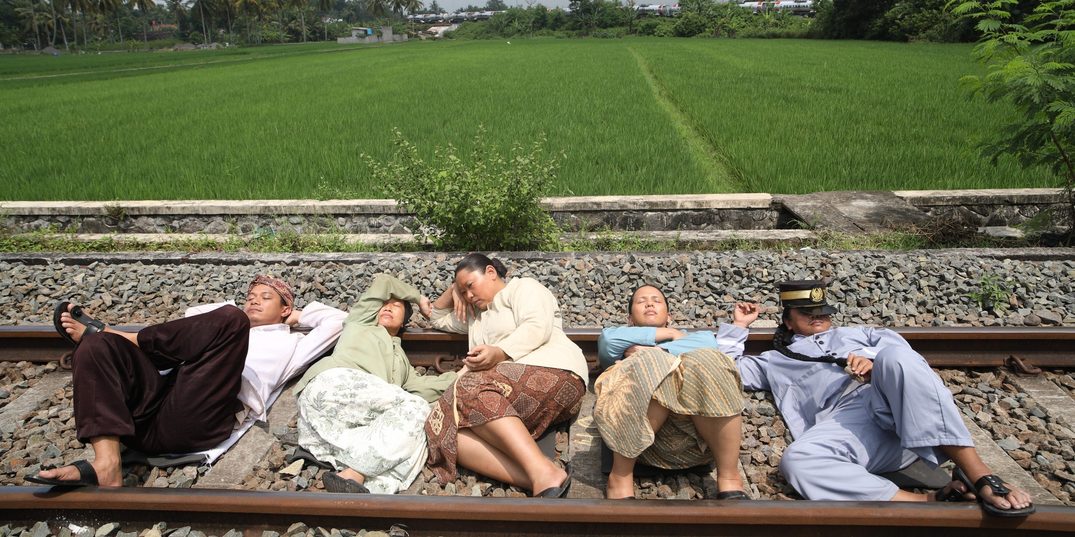
still Tropenkolder (Riair Rizaldi)
Exhibition, Films, Talks & Events
Eye(s) Open
New Perspectives on Colonial Film Heritage
3 April — 6 September 2026
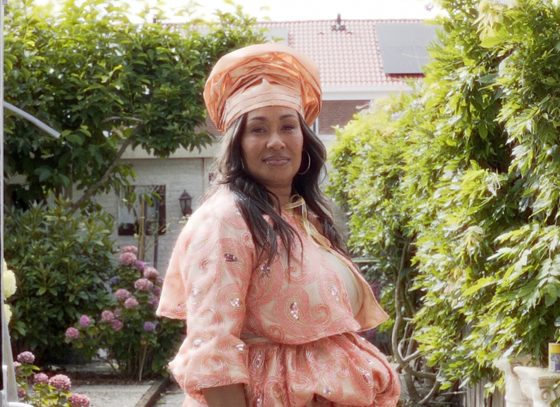
still What We Inherit (Jameisha Prescod, 2026)
The artists have created ten new works based on these films. In doing so, they expose colonial structures and practices and question the role of the camera in perpetuating power.
In the exhibition Eye(s) Open, eleven artists respond to Eye’s collection of some 2,000 colonial-era films from formerly occupied regions in Indonesia and Suriname.
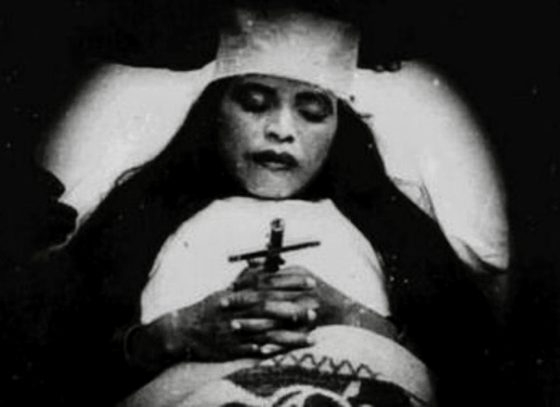
still Ria Rago (©Society of the Divine Word (SVD)), part of Dominion by Jongsma + O’Neill
Eye’s archive contains films from the colonial period that bear witness to this history. These are images of regions as they were seen and recorded by the occupying power: historical documents that, from a Eurocentric perspective, contributed to the maintenance of an oppressive system. The eleven artists, from a range of countries, spent two years researching an eclectic array of often problematic images.
A selection
The Indonesian artist Riar Rizaldi offers a new perspective on phantom ride films, a genre from the early twentieth century in which a camera mounted on a moving locomotive records the passing landscape. In his film installation Tropenkolder, Rizaldi uses re-enactment to bring to life the experience of a group of Javanese railway workers whose unseen labour made such films possible.
The Dutch-American duo Jongsma + O'Neill (Eline Jongsma and Kel O'Neill) took an experimental approach, collaborating on the AI-based installation entitled Dominion, which depicts what never-filmed encounters between Dutch Catholic missionaries and the local population of the island of Flores might have looked like.
The multi-channel film installation What We Inherit by the British artist Jameisha Prescod adopts a more essayistic tone. It explores Black Surinamese spiritual responses to illness and examines how colonial ideas about Black bodies have helped shape healthcare for Afro-Surinamese and Marron communities.
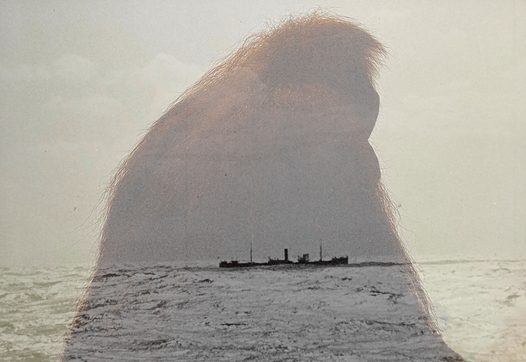
still A Person of the Forest (Miranda Pennell, 2026)
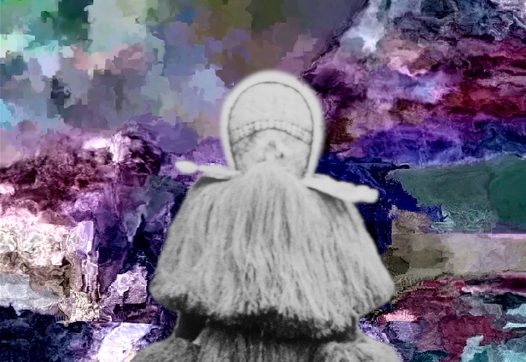
still Becoming Opaque (Paula Albuquerque, 2026)
Participating artists
The participating artists are Paula Albuquerque (Portugal/Netherlands), Timoteus Anggawan Kusno(Indonesia), Esther Figueroa (Jamaica), Sabine Groenewegen (Netherlands), Jongsma + O'Neill (Eline Jongsma and Kel O'Neill) (Netherlands/United States), Miranda Pennell (United Kingdom), Jameisha Prescod (United Kingdom), Afrian Purnama (Indonesia), Riar Rizaldi (Indonesia) and Mahardika Yudha (Indonesia).
New perspectives
Eye(s) Open offers exhibition visitors a diverse kaleidoscope of new perspectives and approaches that encourage dialogue. Eye manages its vast international film collection as a ‘Living Archive’, open to reuse and to new interpretations by makers, thinkers and researchers.
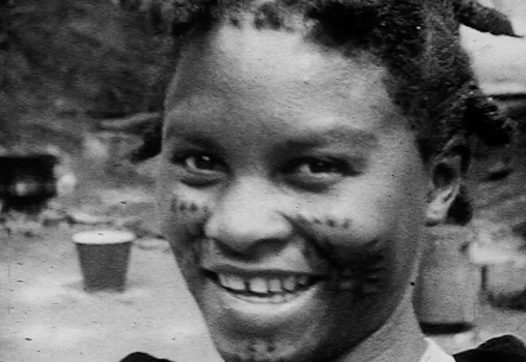
still Wat is Suriname (Esther Figueroa, 2026)
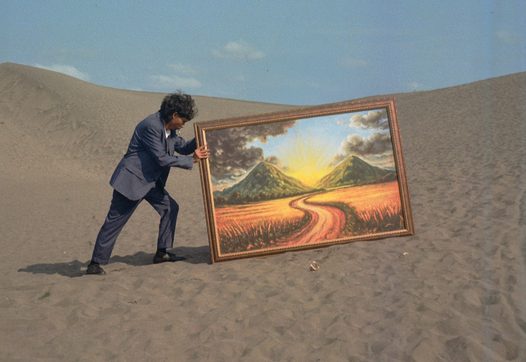
still Silap Mata Bayang Berbalam (Timoteus Anggawan Kusno) (photo: Archive of TAKstudioworks Indonesia)
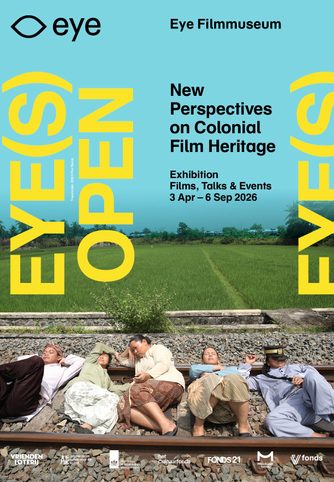
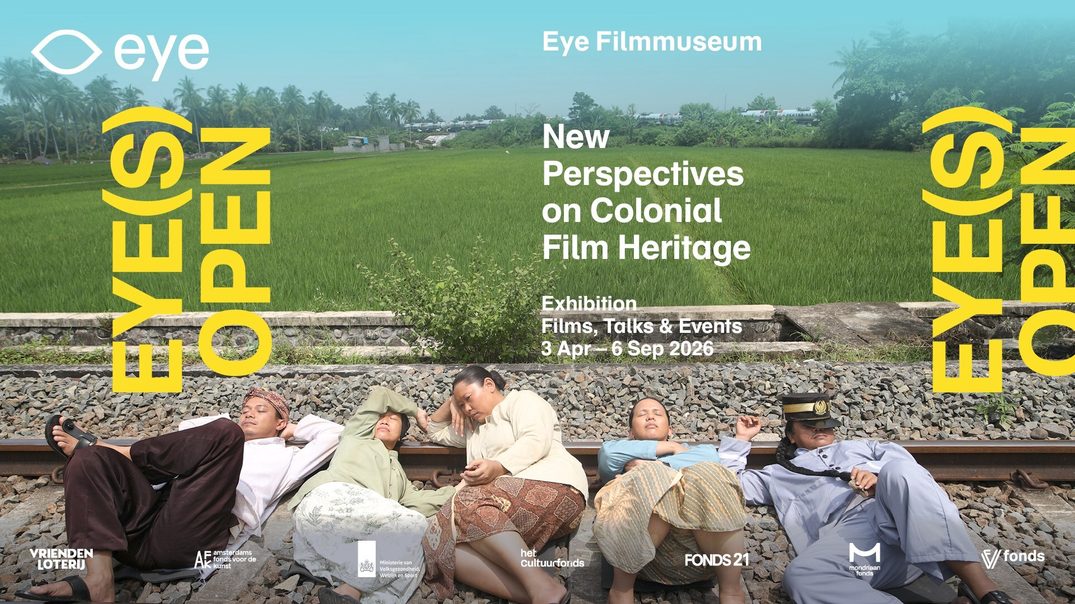
poster Eye(s) Open – New Perspectives on Colonial Film Heritage
Film, Talks & Events
Eye(s) Open – New Perspectives on Colonial Film Heritage is accompanied by a programme of films, talks and events held in the cinemas, all of which are related to the subject of the exhibition and several of which have direct relations with the exhibited artworks. The programme will offer various perspectives on the exhibition's themes with its participating artists, Eye’s curators and programmers, and other guests.
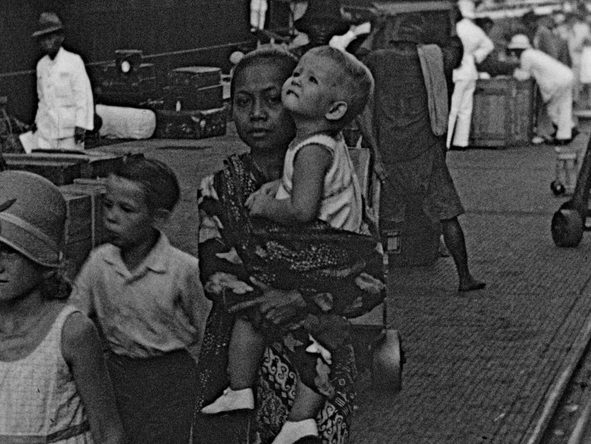
still from Ze noemen me Baboe (They Call Me Babu) (Sandra Beerends, NL 2019)
Eye Film Player
On Eye Film Player, you can watch four documentaries that use historical footage to tell personal stories that offer new perspectives on colonial life.
Guided tours
Every Sunday at 14:00, a guide will lead visitors through the exhibition. Tickets for the 60-minute tour (€7.50) can be purchased online when booking your visit or directly at the museum desk. The default language of the tour is Dutch unless English-speaking visitors are present, in which case it will be given in English.
There's a special tour for students of secondary school and higher education.
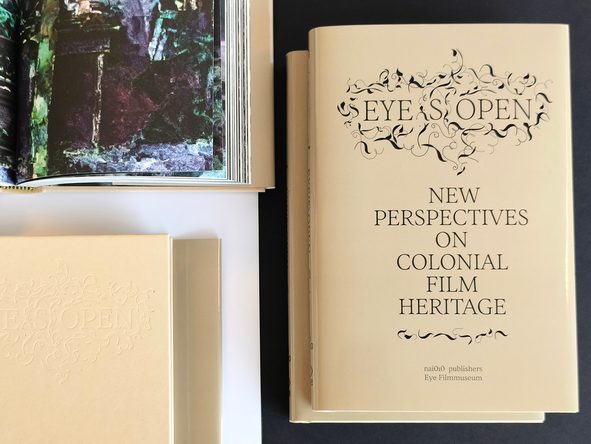
Catalogue
The exhibition is accompanied by a publication that brings together the perspectives of the eleven artists, alongside artistic and scholarly contributions reflecting on a violent history and its continuing impact in the present. This publication also encourages new research into possible collaborations with local Indonesian archives. Available at the front desk for € 34.95.
The exhibition was curated by Hicham Khalidi, in close collaboration with Judith Öfner.
Eye Main Sponsor

The exhibition was made possible by



Planning on having a drink or a bite to eat? Book online for Eye Bar & Restaurant.
Support Eye and see more. Become a friend.