Shaking things up
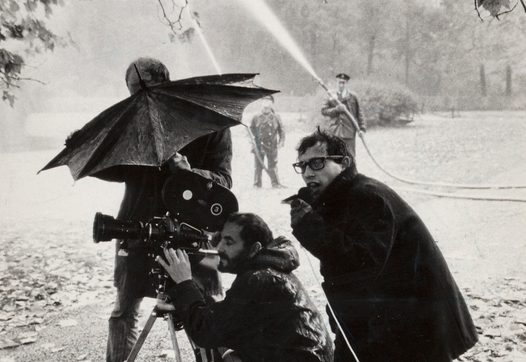
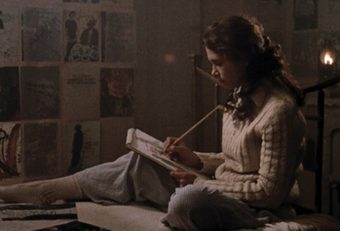
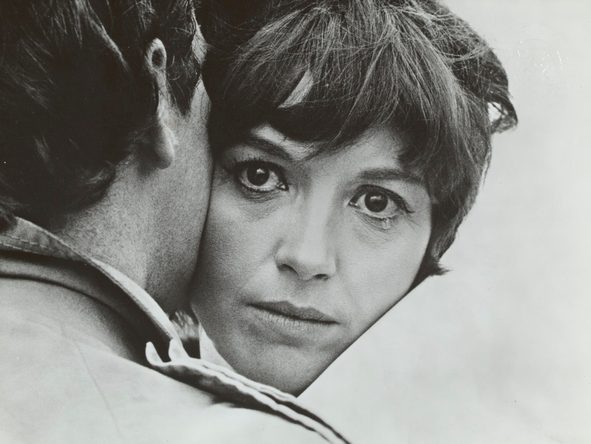
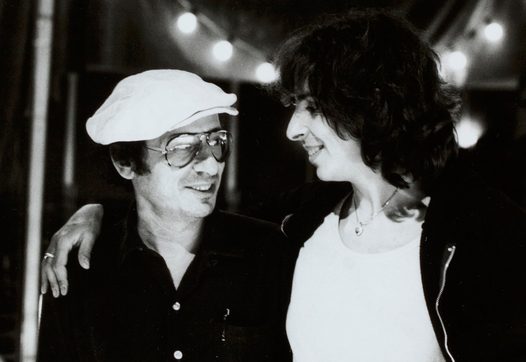
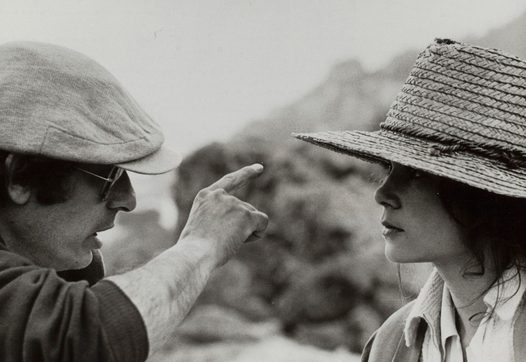
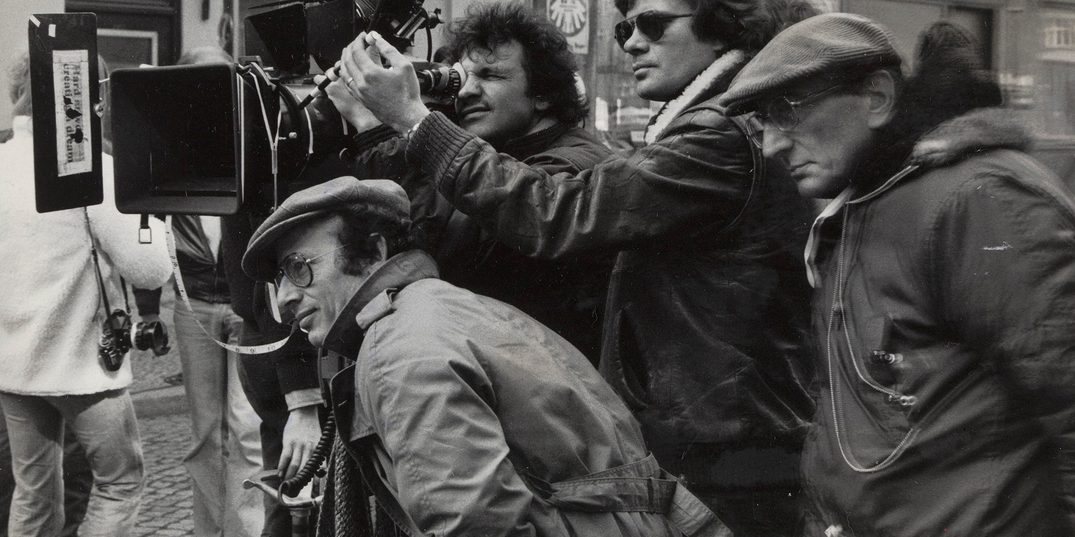
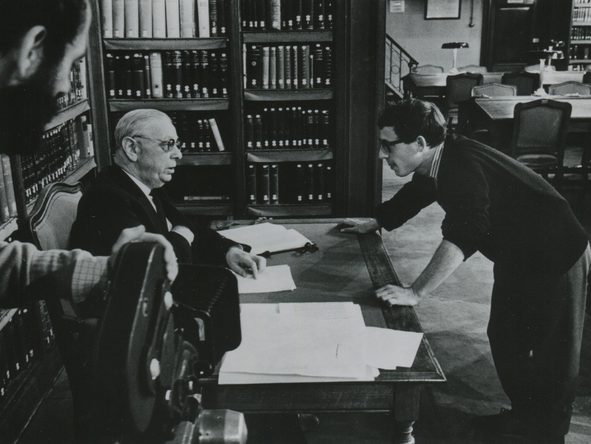
In 1958, Weisz was part of the first class of Film Academy students—including Pim de la Parra, Wim Verstappen, and Jan de Bont—who wanted to shake the sleepy Dutch film world awake. With his fresh debut Gangster Girl (screenplay by Remco Campert), he drew inspiration from the playfulness of the French Nouvelle Vague and the exuberance of Fellini—Weisz studied at the Centro Sperimentale in Rome from 1960 to 1962. Gangster Girl became a cult film, full of energy and feverish anticipation for the future.
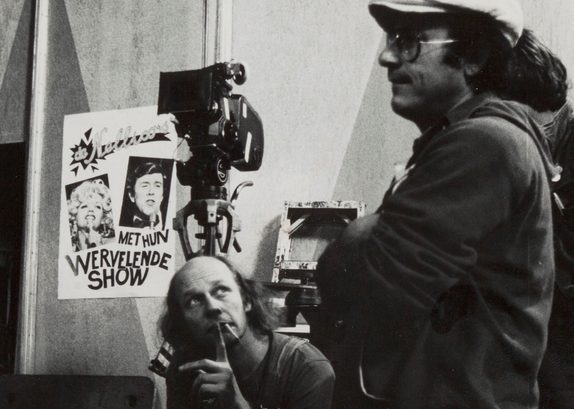
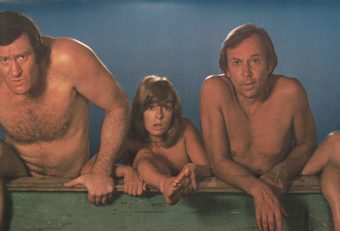
In the 1970s, he made crowd-pleasers such as The Burglar (1972), Naked over the Fence (1973), and Red Sien (1975). Yet he increasingly longed to make more personal films, in which the legacy of the Shoah and World War II resonated (Weisz’s father, actor Géza L. Weisz, died in the camps; his mother Sara survived; Weisz spent part of the war in hiding as a young boy).